For people who want to be healthier without rearranging their entire life, head-to-toe wellbeing starts with tiny behaviors done consistently. What follows is a slightly eclectic, slightly playful, but deeply practical guide—intentionally arranged in an unusual order to keep things fresh.
Key Takeaways
Small, daily actions—from grounding your mornings to relaxing your jaw—can noticeably boost your energy, mood, and physical resilience. Sprinkle in mobility, hydration, mental reset moments, and consistent nighttime cues. Nothing fancy, just intentional.
Your nighttime routine matters more than you think.
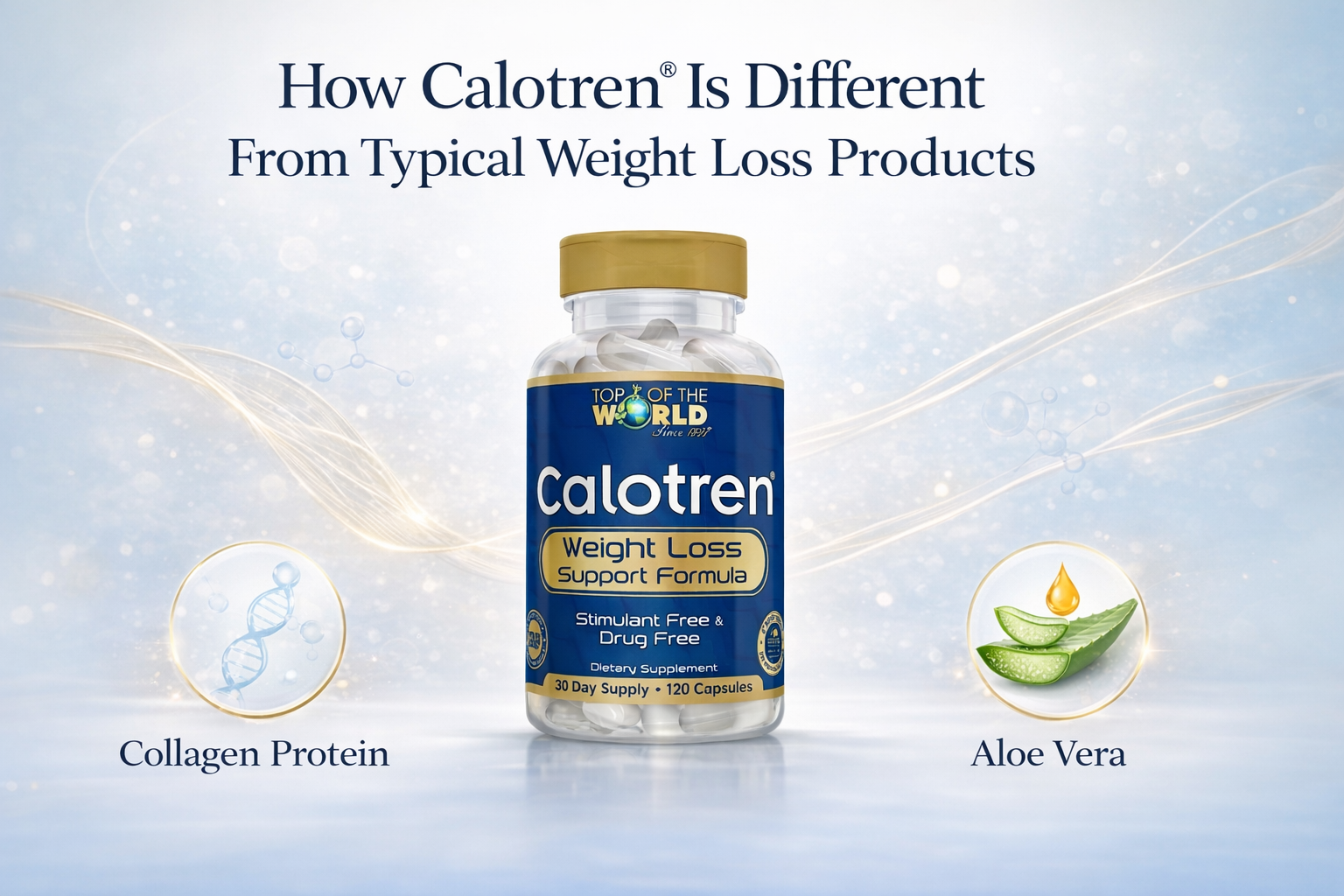
Adding Calotren® before bed is one small, consistent habit that works alongside those daily choices — supporting your body while you rest.
Not extreme. Not overwhelming. Just doable.
A Quick Table: Head-to-Toe Micro-Habits
|
Body Area |
Quick Win |
Why It Helps |
|
Head |
Reduces tension that creeps into headaches |
|
|
Eyes |
20-20-20 break |
Less digital strain + more focus |
|
Shoulders |
Shoulder rolls |
Counteracts phone/laptop posture |
|
Core |
10 deep belly breaths |
Lowers stress + improves circulation |
|
Hips |
1-minute mobility circle |
Frees stiff lower back |
|
Feet |
Barefoot standing for 1 minute |
Wakes stabilizers + improves balance |
The Not-So-Serious “Start Anywhere” List
- Sip water before coffee, and use a handy app to track your intake.
- Step outside within 60 minutes of waking
- Keep a fruit within arm’s reach, not buried behind leftovers.
- Pair one daily task with a 3-minute stretch (dishwasher → hamstrings).
- Find a workout video that lets you have fun while you move.
- Use playlists as behavior cues “this song =clean up, that song = wind down.”
- Take collagen protein like Calotren to improve overall health.
Keep evening lighting warmer than your phone screen.
Career & Well-Being: Expanding Your Life, Not Just Your To-Do List
A sense of meaning in your work is one of the most underrated health boosters—affecting stress, sleep, and even your daily energy. If you’ve been feeling the pull toward a new path or want to strengthen your professional footing, going back to school can open doors you didn’t know you’d closed.
There are flexible options across many fields, including finding accredited healthcare administration programs if you feel pulled toward supporting people and systems in the healthcare space. With a growing catalog of accredited online programs across disciplines, it’s easier than ever to explore new directions, and online coursework is especially helpful if you’re balancing work, family, or a full schedule.
The HOW-TO: A Simple Head-to-Toe Daily Reset (5 Minutes)
- Sit or stand tall — unlock your jaw, relax your tongue, drop your shoulders.
- Breath reset (30 seconds): Inhale for 4, hold for 2, exhale for 6.
- Neck + upper back wake-up (45 seconds): Slow half-circles and shoulder rolls.
- Core switch-on (30 seconds): Tighten for 5 sec → release. Repeat.
- Hips & legs (60 seconds): March in place, circle your hips, shake out your feet.
-
Mind reset (60 seconds): Ask: “What’s one small thing I can finish next?”
- Environment cue (15 seconds): Open a window, adjust lighting, or stand barefoot briefly.
Featured Product Spotlight: A Small Upgrade With Big Daily Impact
Keeping your essentials organized is one of the easiest ways to stay calm, reduce shoulder tension, and move through your day with less friction. A compact, well-designed sling bag can be a game-changer—especially if you’re balancing work, errands, and quick wellness breaks.
One reliable option is the Peak Design everyday sling which offers smart interior dividers, weather-resistant fabric, and comfortable carry straps without feeling bulky. It’s ideal for stashing a water bottle, a healthy snack, or even a small notebook for on-the-go planning.
This kind of bag isn’t about style alone—it’s about creating a smoother flow to your day so healthier habits feel easier to maintain.
FAQ: Rapid-Fire Answers
Q: Do I need a full workout schedule to feel better?
Not at all. Micro-bursts (2–5 minutes) sprinkled throughout the day add up.
Q: How much water should I drink?
Enough that you feel alert and your urine stays pale. Start with a glass at waking.
Q: Is morning sunlight really that helpful?
Yes. It anchors your circadian rhythm, improving mood and sleep quality.
Q: What’s the simplest food upgrade?
Add one fruit or one veggie to something you already eat—don’t overhaul your diet in one day.
Health doesn’t need grand gestures. A handful of tiny, body-friendly habits repeated daily can steadily upgrade how you feel. Start with one, layer in another, and let momentum do the rest.