When it comes to weight loss, many people are drawn to promises of fast results. From extreme diets to stimulant-heavy supplements, the idea of rapid change can seem appealing.
However, long-term success usually comes from a different approach — one built on sustainable habits, consistency, and routines that can realistically fit into everyday life.
Understanding why sustainability matters can help shift the focus from short-term fixes to lasting progress.
The Problem With Quick Fixes
Many weight loss solutions are marketed as fast-track methods. These approaches often focus on dramatic results in a short period of time.
While this may sound attractive, quick-fix strategies can sometimes be difficult to maintain. When routines feel extreme or overly restrictive, people may struggle to keep them going long term.
Some common challenges with rapid weight loss methods include:
- Diets that eliminate entire food groups
- Highly restrictive calorie plans
- Stimulant-heavy supplements designed for short bursts of energy
- Programs that are difficult to maintain once the initial phase ends
Because of this, many people eventually begin looking for a more balanced and sustainable approach.
What Sustainable Weight Loss Looks Like
Sustainable weight loss focuses less on speed and more on building habits that can be maintained over time.
Instead of dramatic changes, this approach emphasizes:
- Consistent daily routines
- Balanced nutrition
- Regular physical activity
- Adequate sleep and recovery
- Supportive tools that complement healthy habits
These smaller, steady actions often create a foundation that supports long-term progress.
Why Consistency Is So Important
One of the most overlooked aspects of weight loss is consistency.
Small choices repeated regularly can make a significant difference over time. Whether it's maintaining balanced meals, staying active, or following a daily routine, consistency allows healthy habits to build momentum.
Rather than focusing on perfection, sustainable routines allow for flexibility while still supporting progress.
Creating a Routine That Fits Real Life
One reason some weight loss strategies fail is that they don’t fit into everyday life.
Sustainable routines should feel manageable within normal schedules, work responsibilities, and family life. When habits are easy to repeat, people are more likely to maintain them long term.
This might include:
- Establishing consistent meal patterns
- Finding forms of physical activity that are enjoyable
- Creating healthy evening routines
- Choosing supplements that complement daily habits
A routine that works with your lifestyle is often easier to maintain than one that requires constant adjustment.
Where Supplements Can Fit In
For some individuals, supplements can play a supportive role within a broader wellness routine.
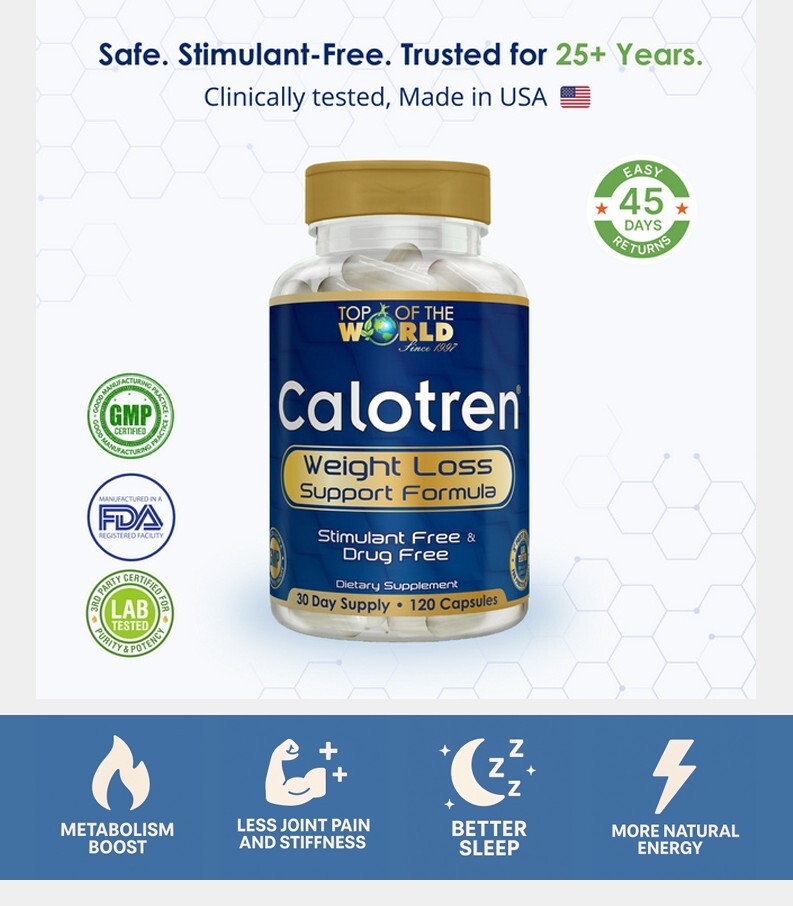
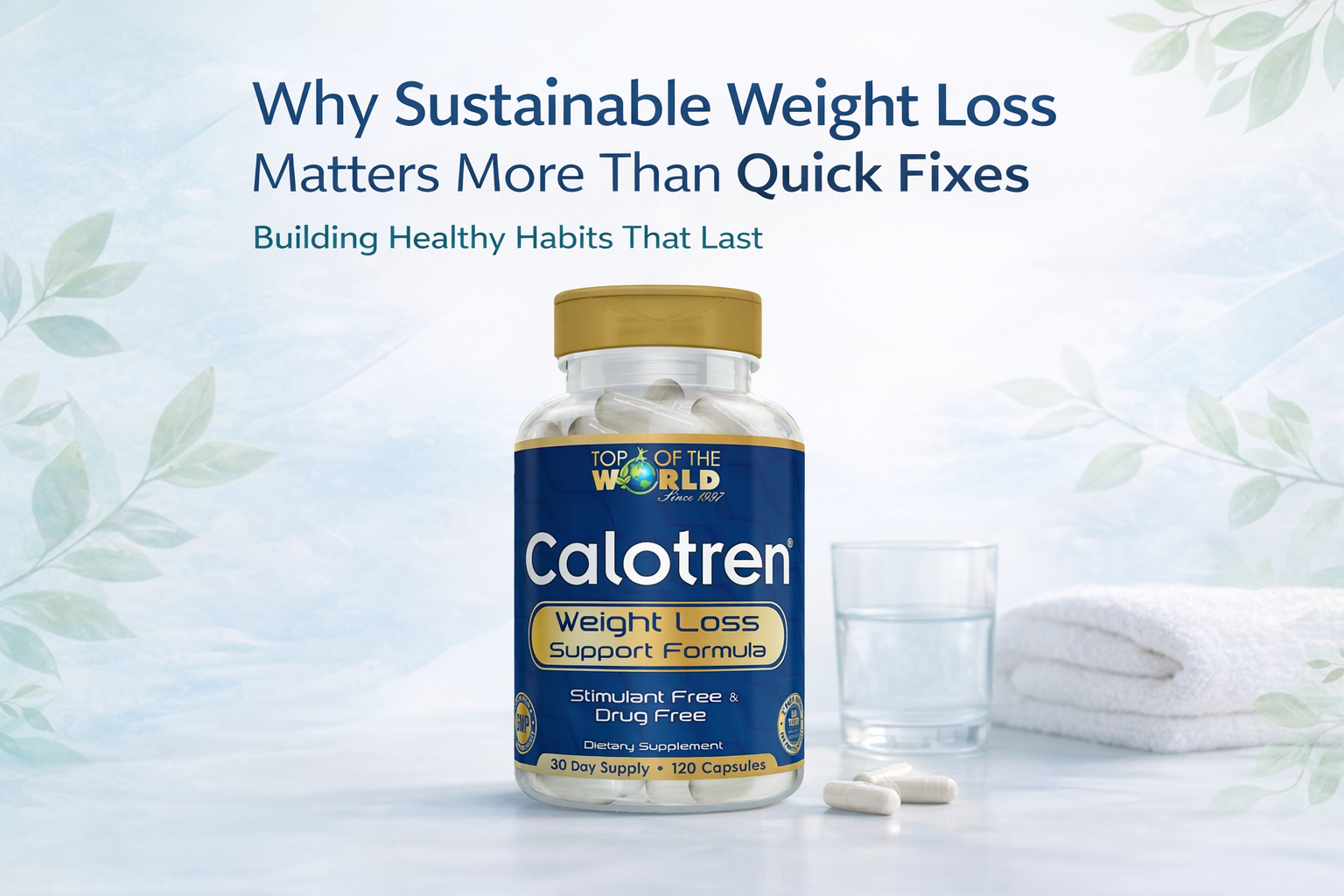
Products like Calotren® are designed to complement healthy habits rather than replace them. With a collagen protein foundation and digestive enzyme support, Calotren is intended to fit into a routine-based approach rather than relying on stimulants or extreme ingredients.
When combined with balanced nutrition, regular activity, and consistent routines, supportive tools like this can become part of a long-term wellness strategy.
The Bottom Line
Sustainable weight loss isn’t about quick fixes or extreme changes. It’s about building habits that can realistically be maintained over time.
By focusing on consistency, balanced routines, and supportive tools that fit into everyday life, individuals can move toward a more manageable and long-term approach to their goals.
Rather than chasing rapid results, sustainable habits help create progress that can last.